

Training
We expect learning experiences to be available on demand, but as useful as self-serve, self-paced learning is, sometimes you can't beat a live training session. I've led a lot of them, and learned a lot from them.
I think I've led webinars and workshops at every SaaS company I've worked at. I always recommend making best use of the investment in live training by recording and re-using materials in other settings.
Highlights from my training work:
Fastly training with Glitch
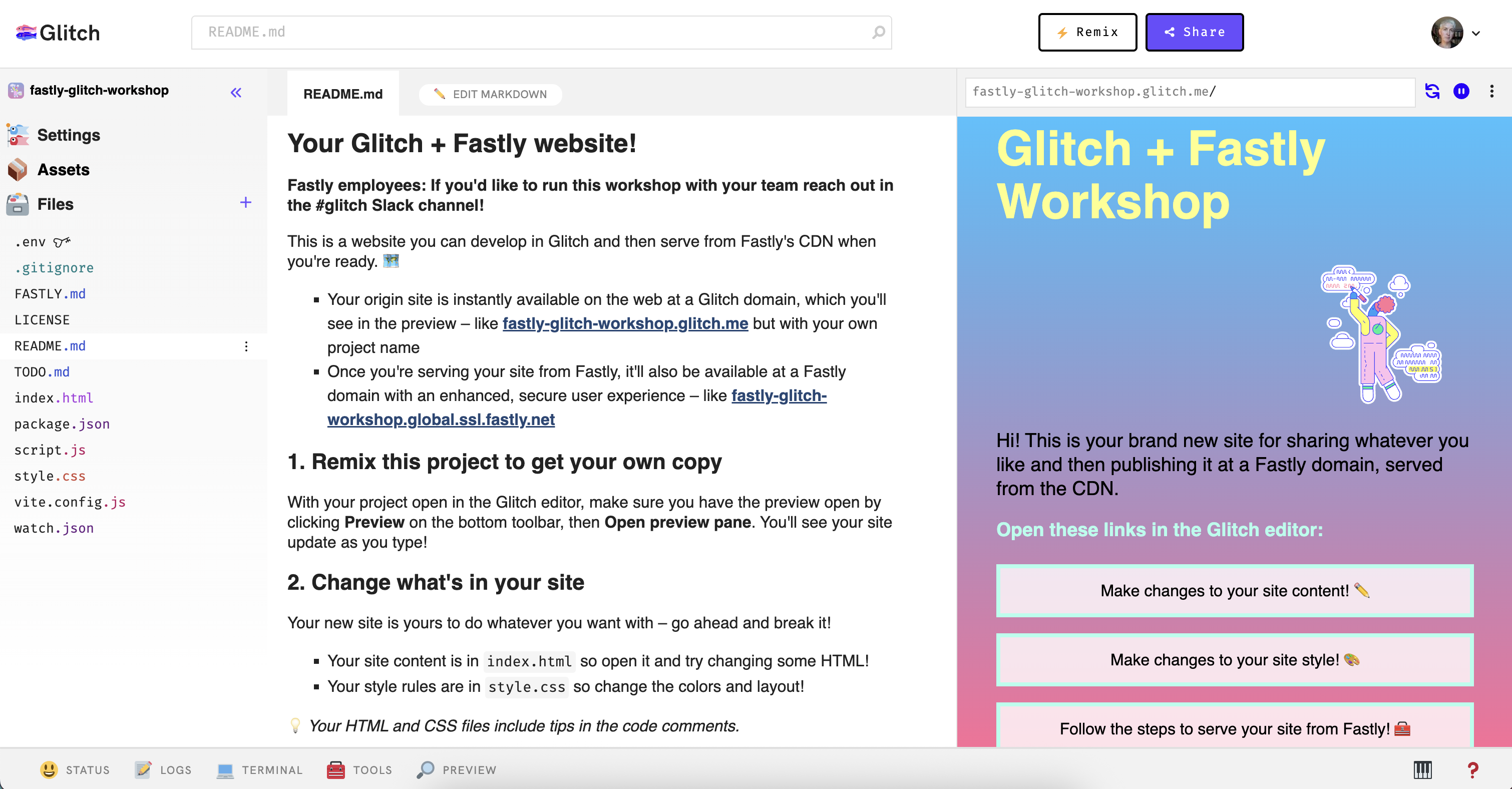
One of my most successful programs at Fastly was running employee product training. It's a technical platform, and historically the company had struggled to get employees to try it. Glitch being acquired helped, because we could give everyone a test website of their own to try with Fastly CDN and edge computing services.
Seeing the interest in product training inside the company, I approached it as an opportunity to also test learning material that we'd eventually make available to customers and community developers. Running this training program taught me a lot about the value of live feedback, and helped me develop a repeatable framework I adopted for the remainder of the Learning Experience initiative over the following years.
📖 Learning at Fastly – A shared experience – July 2024
There was some scepticism that this training would be feasible for teams outside engineering, but I felt strongly that employees would be able to interact with our tech, and that it would be a useful stress test of my resources – creating a rich pipeline of product feedback that made teams feel more connected to what we were building.
It went like this:
- I'd learn about the product area myself, then write intro learning material on it
- Build this into a presentation and remixable hands-on product training flow
- Run a session with a group of employees (typically a team of coworkers, sometimes mixed groups)
- Create the space for participants to let me know if they needed more explanation
- Incorporate that feedback into the training resources before the next session
- Transform the resources into self-serve docs and projects we'd publish for customers
Using Glitch (later GitHub Codespaces) for this program meant attendees left with a project that included the instructions we'd walked through, so they could later revisit and even teach what they'd learned to their peers. It also meant I had remixable resources ready for deployment to users for independent learning.
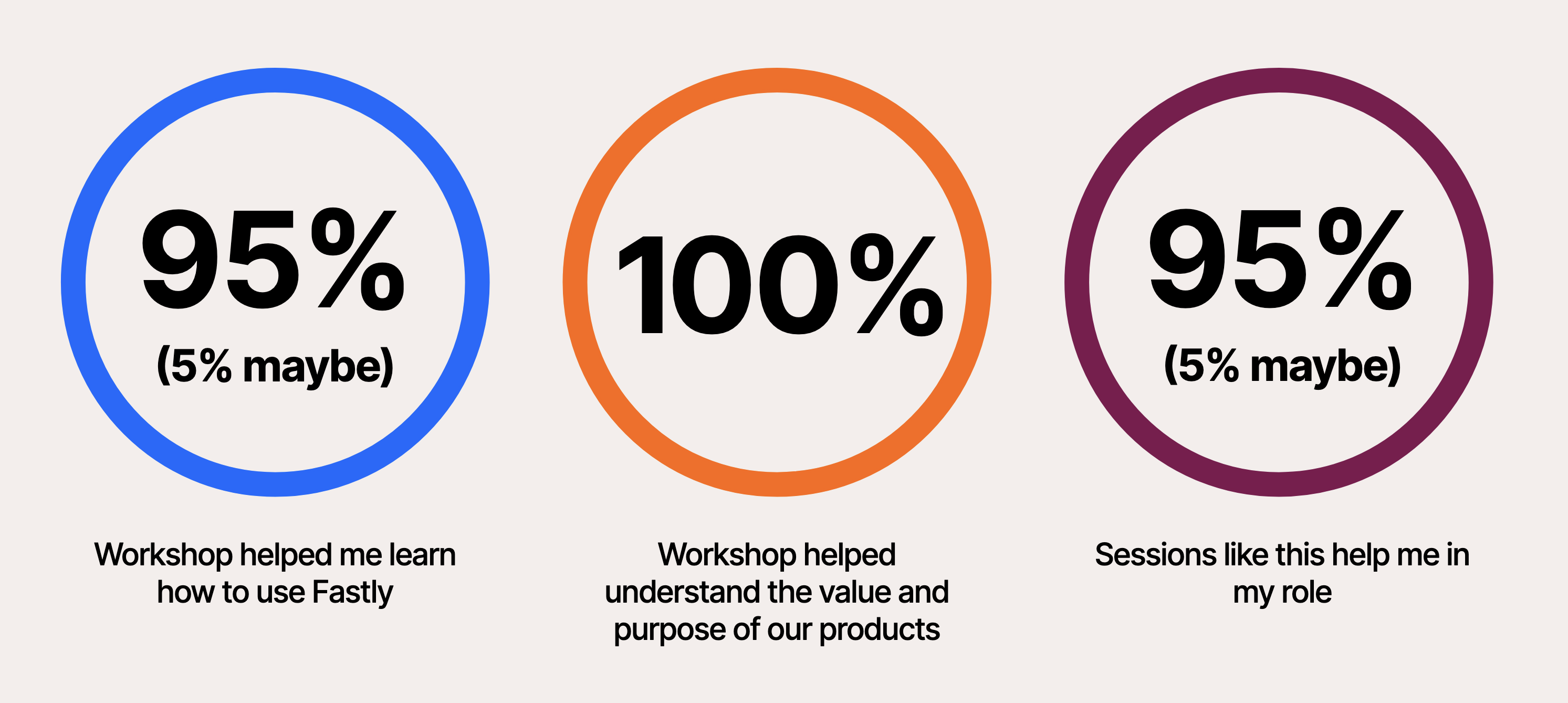
Feedback on my training indicated that employees felt significantly more confident talking about the product and in their own roles.
Fastly ERGs (Employee Resource Groups) gave me a huge win with my training program. We were able to prioritise access through dedicated sessions, which increased participation.
I built Fastly's first certification program by initially testing it through the employee training sessions and a pilot I ran with the developer community.
This was the largest employee training program I've run, and formed a huge part of the culture change I was able to effect during my time at the company. It helped me forge relationships with many teams and start to establish product learning as a core part of the way we approached our work.
Postman student program
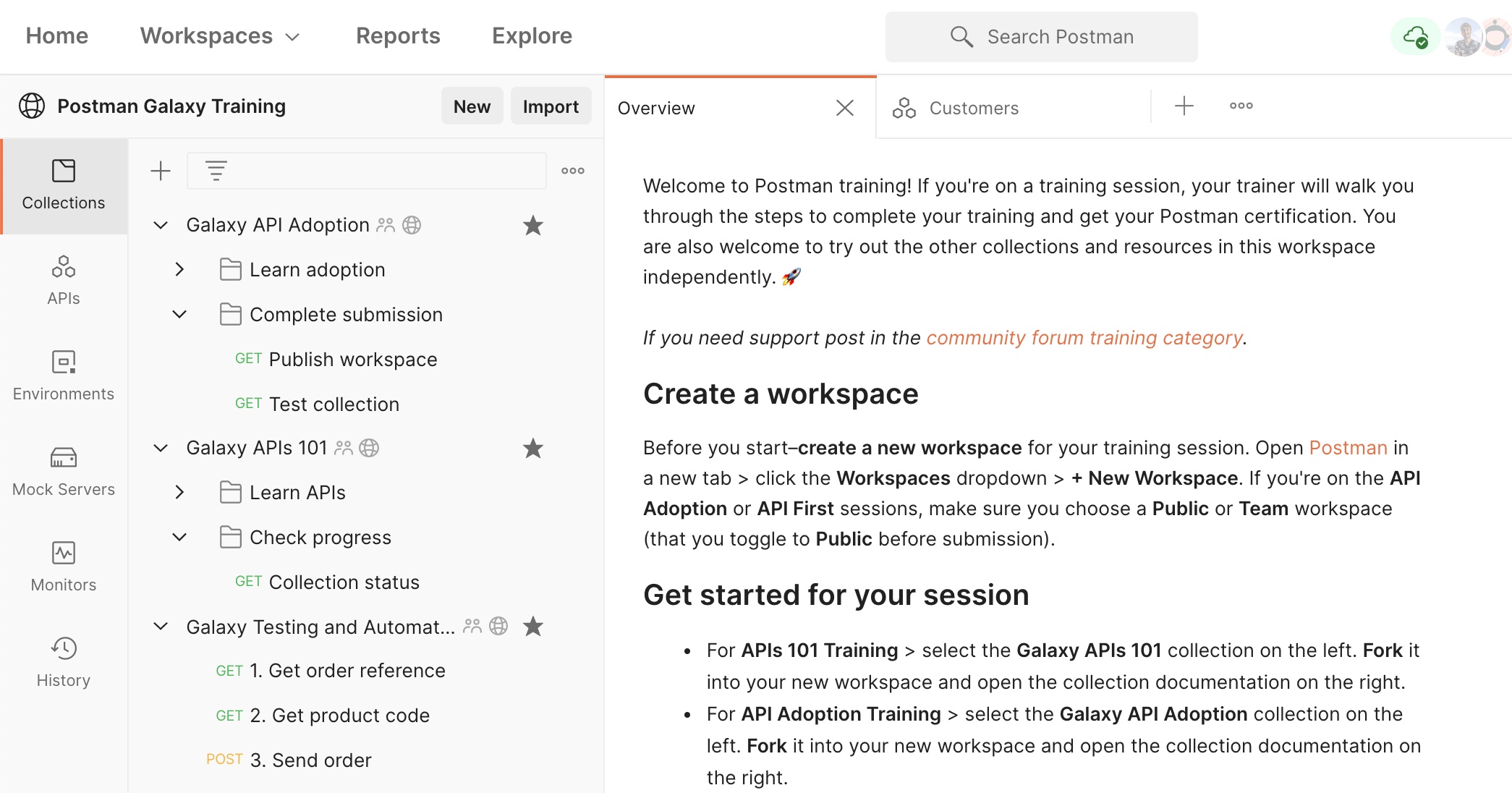
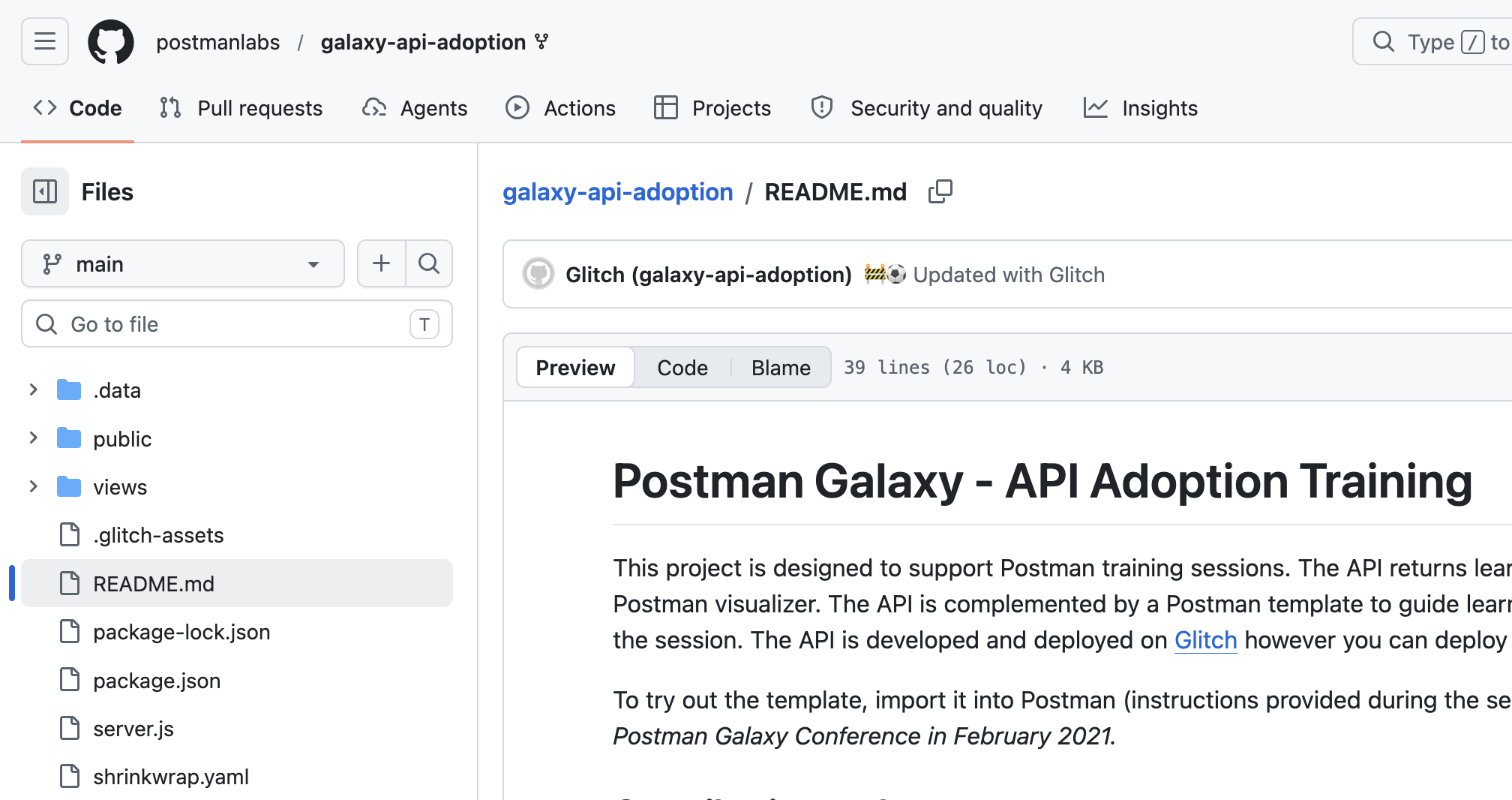
At Postman I ran training workshops and guest lectured at partner organisations as part of the company's student program. This let me build an automated learning framework, and create the platform's initial certification program.
📖 API training workspace in Postman – February 2021
I delivered training at a variety of virtual and in-person events, including live streams, webinars, and a tour we took around international developer community locations. Guest lecturing gave me an opportunity to teach in partner colleges, universities, and bootcamps.
Open practice and formal settings
📖 Hacking Participation – March 2015
Back when I was running the non-profit I co-founded, I delivered training sessions to help young people utilise open web technologies, including facilitating a session at the Mozilla Festival. I've enjoyed being able to bring learnings from community to company and back again.
📖 Hack Aye: Digital citizenship at MozFest – November 2015
My first paid work in tech was teaching on the Masters course I'd just finished at Glasgow Uni. I was invited back to help lead laboratory sessions and tutor adult students on this intense 12 month foundation in software development. It was a great intro to teaching, as the student cohort came from an extremely diverse background in both working experience and geographic distribution.